

Introduction
In the world of electronics and electrical engineering, the importance of cables cannot be overstated. Cables are the lifelines that connect various components and devices, enabling the transmission of signals and power. One key consideration when selecting cables is capacitance, as it can have a significant impact on signal integrity and overall system performance. In this article, we will explore the use of low-capacitance shielded cables and their benefits in various applications.
Understanding Capacitance in Cables
Before delving into the specifics of low-capacitance shielded cables, it is essential to understand the concept of capacitance in cables. Capacitance is a measure of a cable's ability to store electric charge when a voltage is applied across its conductors. In simple terms, capacitance is the ability of a cable to store energy in an electric field.
When a cable has high capacitance, it can act as a capacitor, which can result in several undesirable effects. High capacitance can lead to signal distortion, increased signal attenuation, and decreased signal integrity. These effects can be particularly problematic in high-frequency applications where signal fidelity is crucial.
Low-Capacitance Shielded Cables: An Overview
Low-capacitance shielded cables are designed to minimize capacitance while providing effective shielding against external interference. These cables are constructed using specialized materials and configurations to achieve low capacitance levels, making them ideal for applications where signal integrity is paramount.
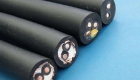
The primary components of a low-capacitance shielded cable include the conductors, insulation, shielding, and jacket. Each of these components plays a crucial role in reducing capacitance and ensuring optimal performance. Let's take a closer look at each component:
1. Conductors: The conductors in low-capacitance shielded cables are typically made of high-quality materials such as copper or silver. These materials offer low resistance and are highly conductive, helping to minimize signal loss and distortion.
2. Insulation: The insulation material used in low-capacitance shielded cables is carefully selected to provide excellent dielectric properties. By choosing insulation materials with low permittivity and low dielectric constant, the cable's overall capacitance can be reduced.
3. Shielding: Shielding is a critical component of low-capacitance cables, as it helps protect the signal from external electromagnetic interference. The shielding can be made of materials such as aluminum foil, copper braid, or a combination of both, depending on the specific application requirements.
4. Jacket: The jacket of a low-capacitance shielded cable provides mechanical protection and environmental resistance. High-quality jackets are flexible, durable, and designed to withstand harsh operating conditions.
Benefits of Low-Capacitance Shielded Cables
The use of low-capacitance shielded cables offers several key benefits across a wide range of applications. Some of the main advantages of these cables include:
1. Improved Signal Integrity: By reducing capacitance, low-capacitance shielded cables help maintain signal integrity and minimize signal distortion. This is especially important in high-speed data transmission and communication systems where even slight signal degradation can lead to data errors.
2. Enhanced Noise Immunity: The shielding in low-capacitance cables provides effective protection against electromagnetic interference (EMI) and radio frequency interference (RFI). This helps ensure reliable signal transmission in electrically noisy environments.
3. Lower Signal Loss: Low-capacitance cables exhibit lower attenuation characteristics, resulting in reduced signal loss over long cable runs. This is particularly beneficial in applications where signal strength needs to be maintained over extended distances.
4. Wide Application Range: Low-capacitance shielded cables are versatile and can be used in a variety of applications, including industrial automation, telecommunications, medical devices, and audio/video systems. Their superior performance makes them well-suited for demanding environments.
5. Compliance with Industry Standards: Many industries have stringent requirements for signal integrity and EMI/RFI protection. Mineral Insulated Cable -capacitance shielded cables are designed to meet these standards, ensuring compliance with industry regulations and specifications.
Applications of Low-Capacitance Shielded Cables
Low-capacitance shielded cables find applications in a wide range of industries and technologies where reliable signal transmission is critical. Some common applications of these cables include:
1. Data Communications: Low-capacitance shielded cables are widely used in data communication systems, including Ethernet networks, fiber optic networks, and high-speed data links. These cables help maintain signal integrity and minimize data errors in complex communication infrastructures.
2. Industrial Automation: In industrial automation systems, where electromagnetic interference is prevalent, low-capacitance shielded cables play a crucial role in ensuring uninterrupted signal transmission. These cables are used in control systems, robotics, motor drives, and other automation equipment.
3. Medical Devices: Medical devices and equipment require high levels of signal accuracy and reliability. Low-capacitance shielded cables are used in medical imaging systems, patient monitoring devices, and diagnostic equipment to ensure precise signal transmission and patient safety.
4. Audio/Video Systems: In audio and video applications, such as recording studios, broadcast facilities, and home entertainment systems, low-capacitance shielded cables are used to maintain high-quality signal transmission and minimize noise interference. These cables help deliver clear audio and video signals without distortion.
5. Aerospace and Defense: The aerospace and defense industries demand robust and reliable cable solutions for critical applications. Low-capacitance shielded cables are used in avionics systems, radar systems, military communications, and other defense applications where signal integrity is essential.
Conclusion
Low-capacitance shielded cables are an essential component in modern electronics and electrical systems, providing enhanced signal integrity, noise immunity, and performance. By selecting the right cable for each application and understanding the importance of capacitance reduction, engineers and designers can optimize system performance and reliability.
In this article, we have explored the key features of low-capacitance shielded cables, their benefits, applications, and the role they play in ensuring efficient signal transmission. As technology continues to advance and demand for high-speed data communication increases, the use of low-capacitance shielded cables will remain essential in meeting the evolving needs of various industries.
Overall, low-capacitance shielded cables represent a reliable and effective solution for achieving optimal signal quality and performance in a wide range of applications, making them a valuable asset in the world of modern electronics and electrical engineering.